
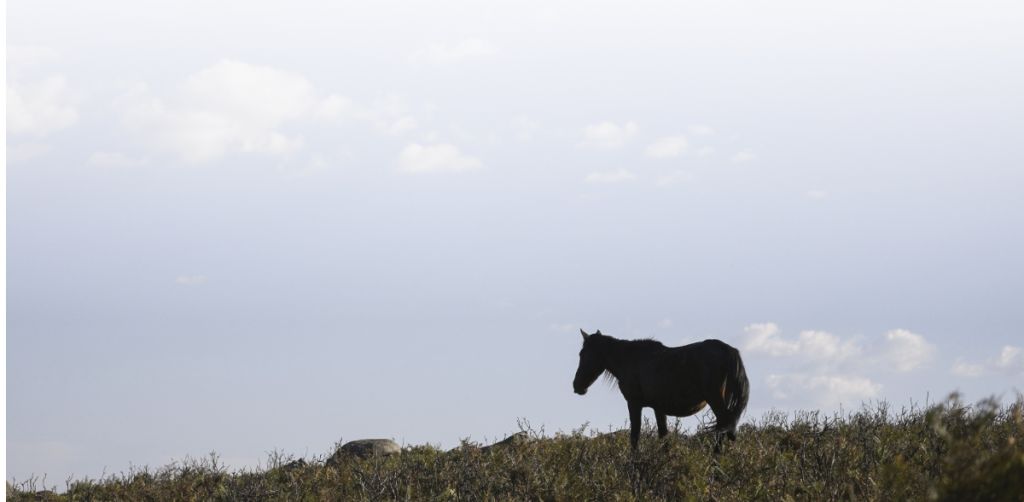
The Garrano, a robust and resistant horse that has been part of our culture for centuries, today faces the threat of extinction due to the decrease in its use in agriculture and transport. It is essential to value this breed, highlighting its skills and preparing it for future challenges.
Garrano is known for his good character, ease of teaching, energetic temperament and willingness to work. These characteristics make him an excellent horse for sports and tourism. Its agility and safety on difficult terrain make it ideal for mountain areas and more complicated trails.
Equestrian Modalities
Walking Races: Recognized since ancient times, the Garrano stands out in these races, even finding valuable specimens.
Gallop: Although they are not as fast as other larger horses, they show unconditional dedication when competing in these races.
Towing: Strong and rustic, it is ideal for carrying loads, pulling cars and transporting people, being excellent for sports and leisure towing.
Traditional hitching: In Minho, manors and farms use Garranos in traditional hitching, increasing their national and international demand.
Obstacle Jumping: Despite the prejudice in its use, Garrano has great potential due to its elastic and impulsive movements.
Therapeutic Riding: Their small stature and docility have been successful in therapies across the country.
Tourism and Culture
Equestrian Routes and Rural Tourism: Used on mountain trails, the Garrano contributes to the occupancy of rural tourism accommodation and is increasingly sought after by tourist entertainment companies.
Equestrian Centers: Important for the promotion of the breed, they use Garranos for vaulting and initiation into riding with young riders, promoting their potential.
Cultural Symbol
The Garrano is an inseparable symbol of the mountains of Northern Portugal, treasured as a member of the family. Whether free in the mountains or used in various activities, this horse is a popular hero that deserves recognition and appreciation for its cultural and historical contribution to the region.
